
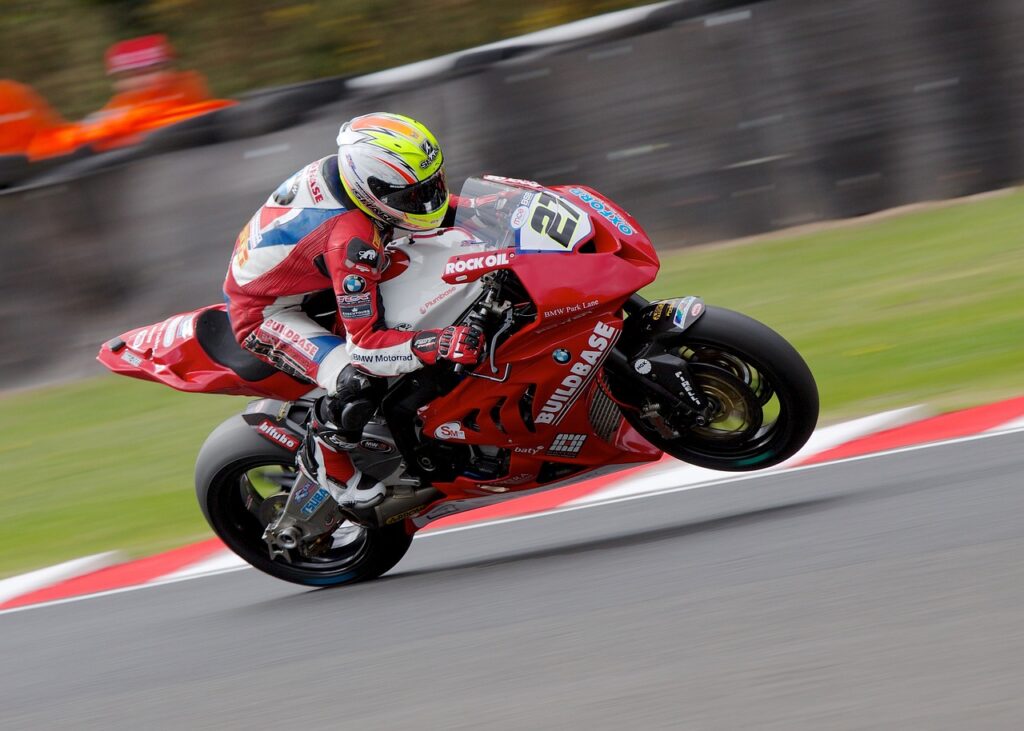
Last year I spent a 10-month period working on a research project to explore the unique psychological challenges faced by elite motorcycle riders. Assisting me with the research were 11 world championship-level riders with significant experience and a combined 123 world championship race wins to their name.
The in-depth interviews conducted with the participants were fascinating, with the athletes citing a range of pressures and stressors, some of which I had never even considered despite 20 years of experience operating in the motorcycling world.
Equally interesting were the many different methods and tools participants harness to tackle the perceived challenges, from meditation, to disassociation techniques, to routine… The importance of being able to identify and maintain the ‘right’ kind of social support is also key, referenced by almost all participants in playing a part in their ongoing success.
Motorsport is unique – both an individual and team sport that is as competitive as it is extreme. The level of danger and risk of injury is significant, particularly compared to many other sports, and athletes must be equipped to deal with this, while accepting that there are also a range of variables, not least the bike itself, that are essentially out of their control.
The focus, therefore, can only be on those elements that fall within a rider’s control, namely preparation, mindset, focus, confidence, resilience, goal setting, problem solving… A number of participants in the research study deemed mental training to be just as important than the physical training, if not more so. Building up the necessary mental strength and skills is a process, one that several participants wished they had begun much earlier on in their career.
Riders need to be particularly motivated, especially considering that the actual riding of bikes is generally limited to the races and test sessions themselves. Much of a rider’s physical training takes place far from the racetrack and doesn’t involve a bike at all, unlike the more structured training sessions that a footballer would face for example. The rider therefore needs sufficient determination to succeed to be able to maintain their training and work towards their goals in a largely self-sufficient way.
Equally imperative is the ability to bounce back after a setback, injury or perceived negative result, as is the need for a positive, open, ‘let’s do it’ attitude. This doesn’t always come naturally to people, but there are techniques and strategies we can use to train our brains and get into this mindset. Rather than focusing on the (inevitable!) difficulties, athletes need to relish the challenge that racing poses, particularly in the face of adversity, if they want to be in with a real shot at success.
Want to know more? For more details as to how Conexus Communications is supporting motorcycle athletes, contact us today at: info@conexuscommunications.com


 English
  Italian